

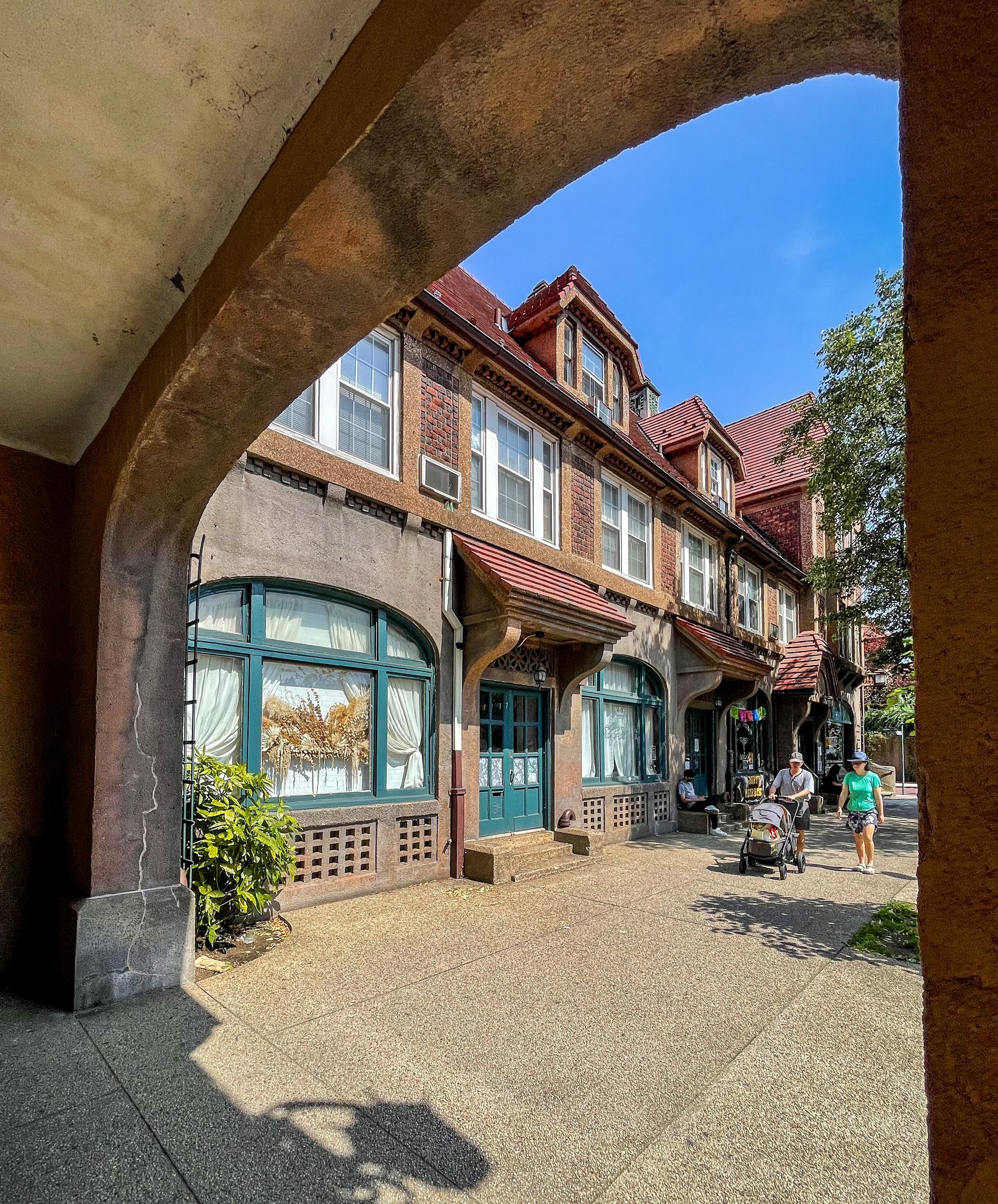
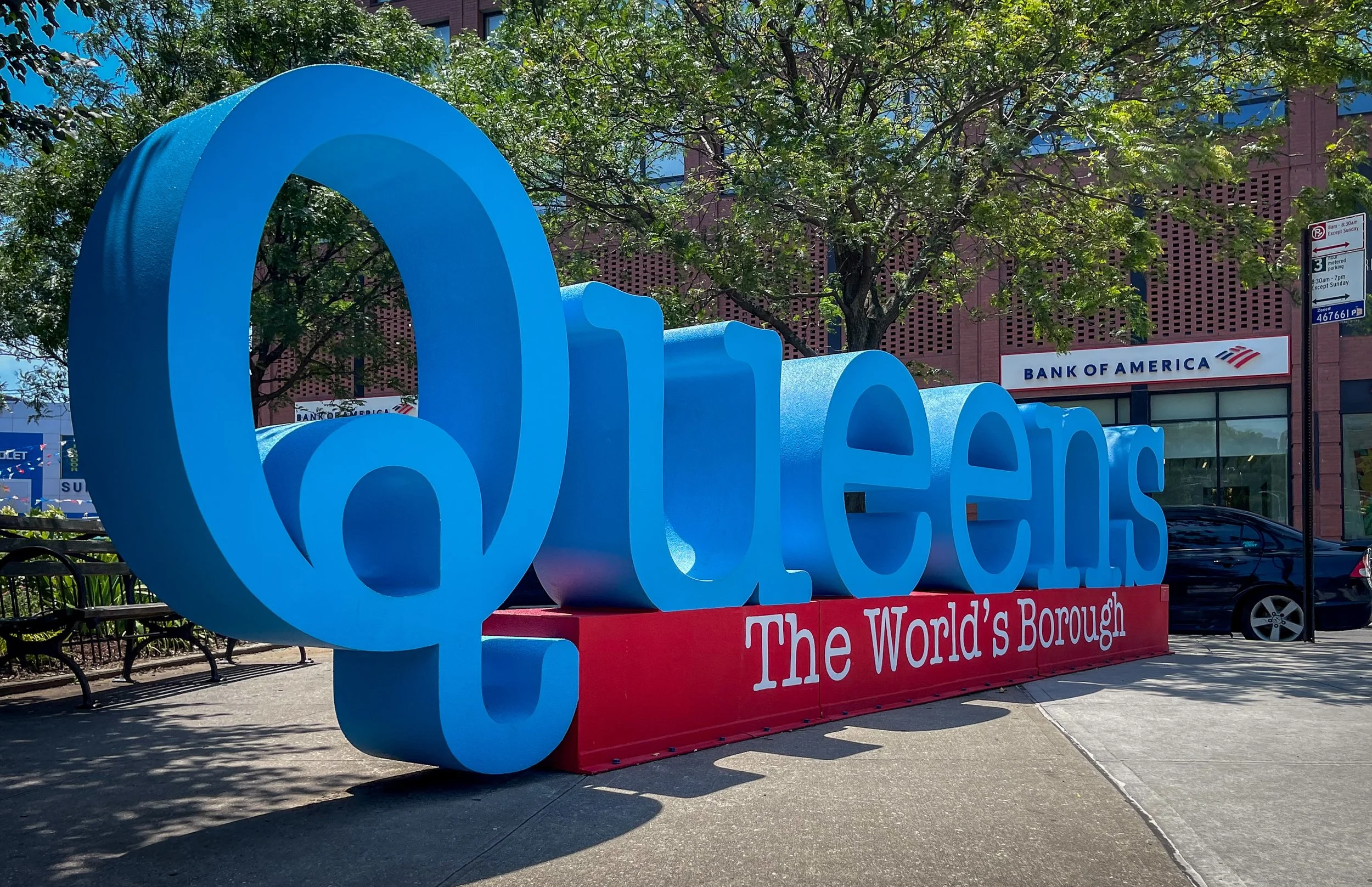
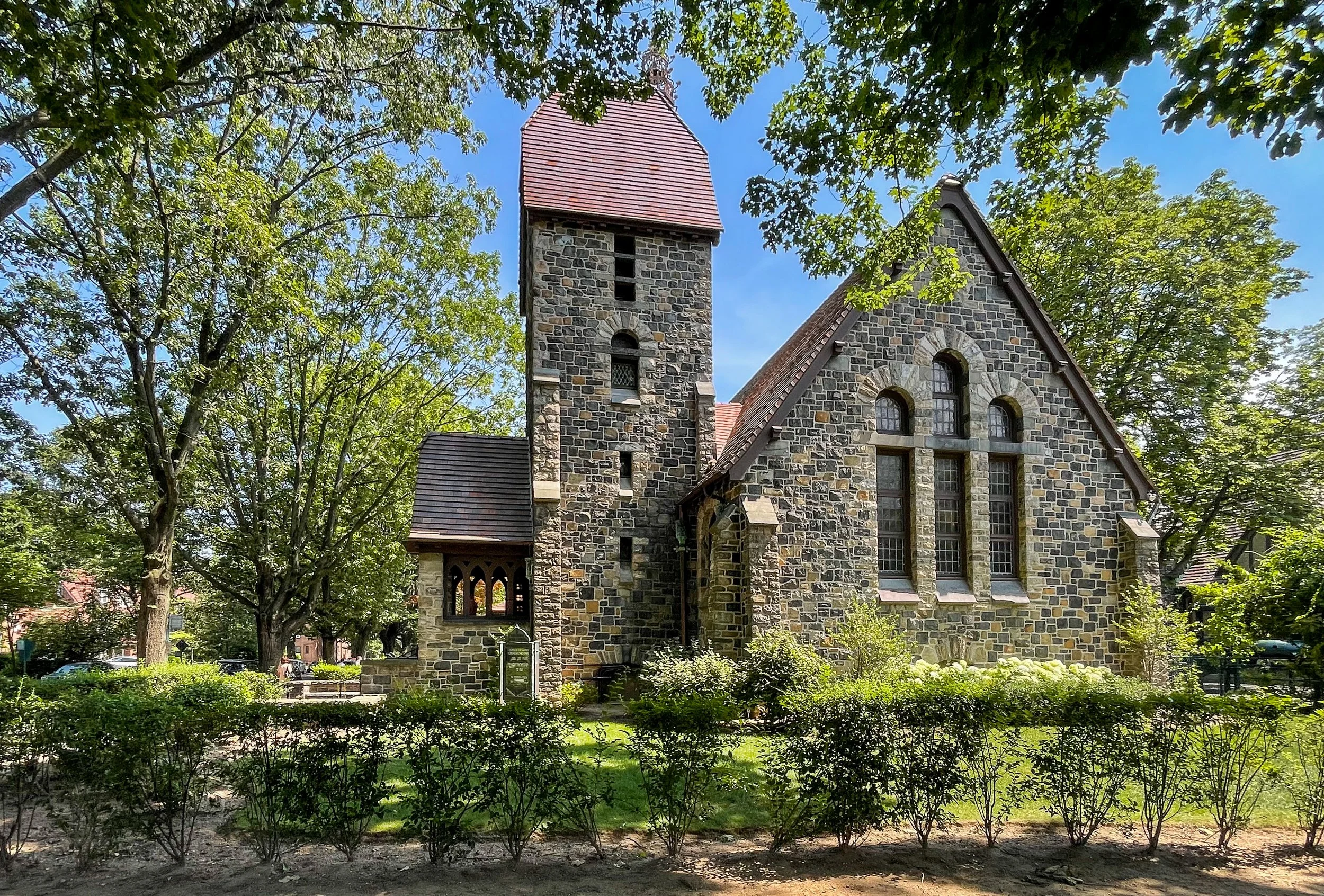
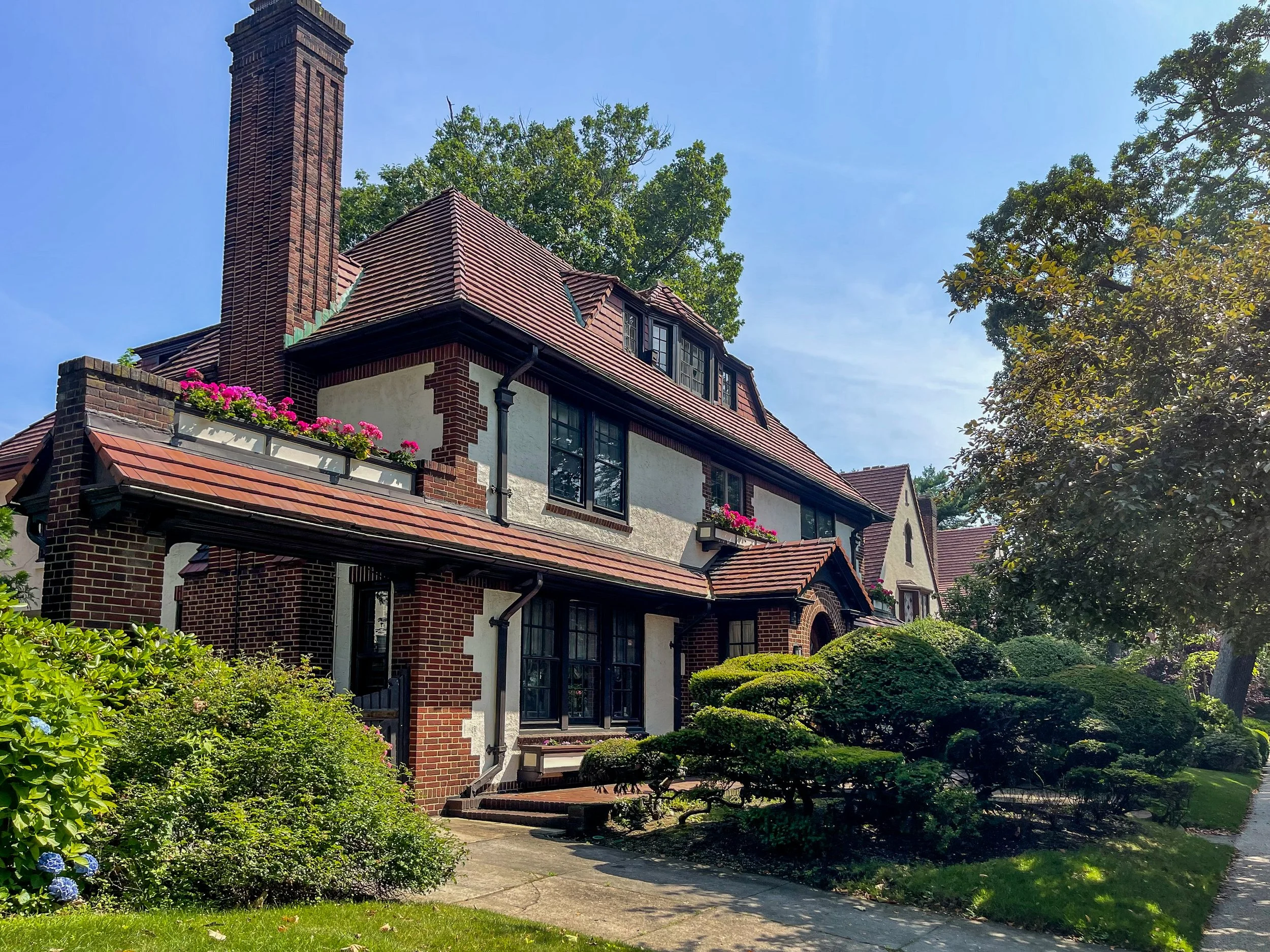
Ivy climbs Tudor facades and antique street lamps cast golden light on a brick-paved square. These features, as well as stone churches and stained glass diamond panes, define Forest Hills—a slice of old England nestled in the heart of Queens. With camera in hand, I wandered her enchanting streets this summer after unexpected factors nudged me back there.
The prodding began when I dated a woman who worked at a café on Austin Street, the neighborhood’s commercial center. Before I picked her up one March evening, I mistakenly drove through Station Square, the terracotta-roofed gateway to the residential Forest Hills Gardens. I felt a rush of nostalgia and knew I had to return.
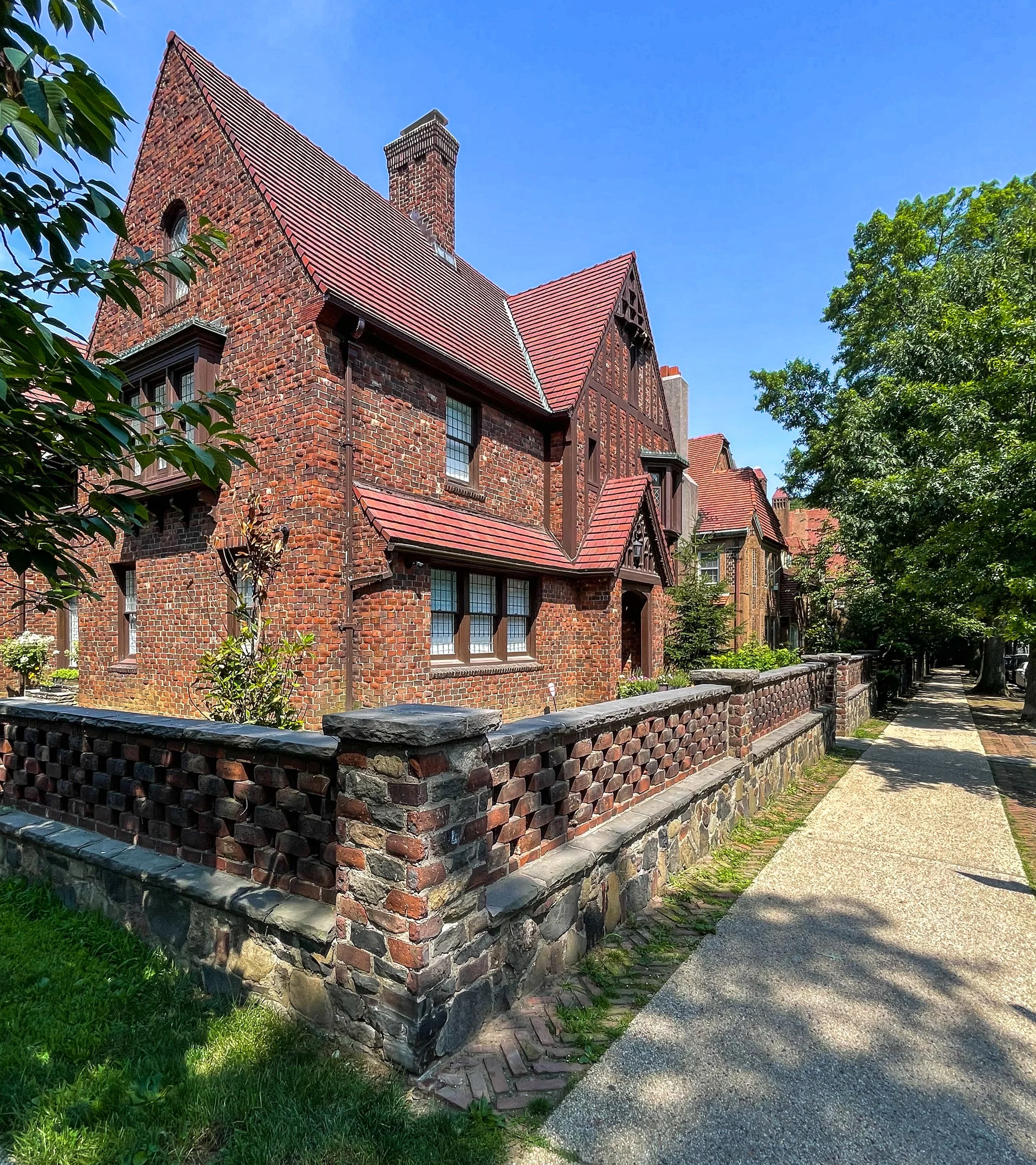
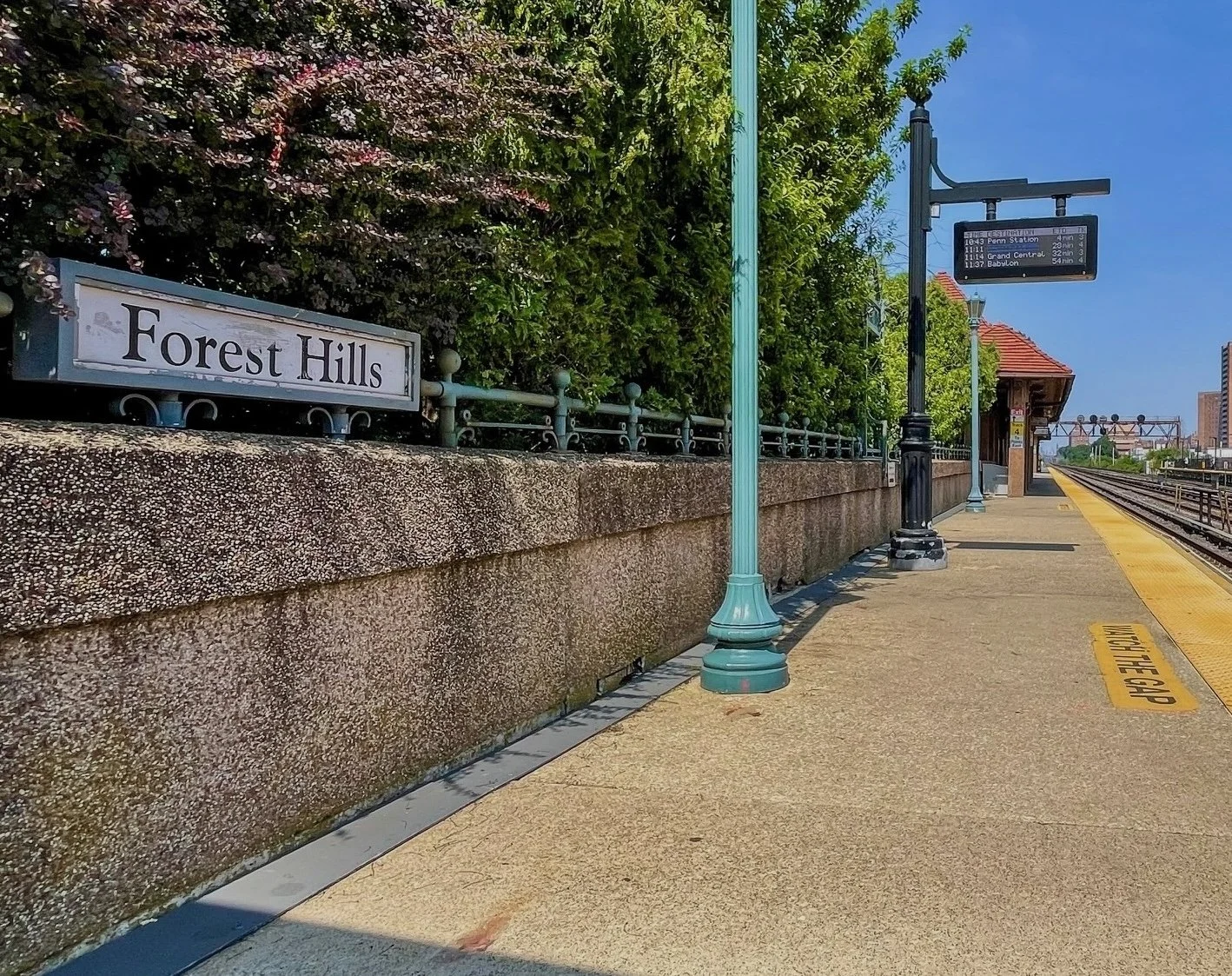



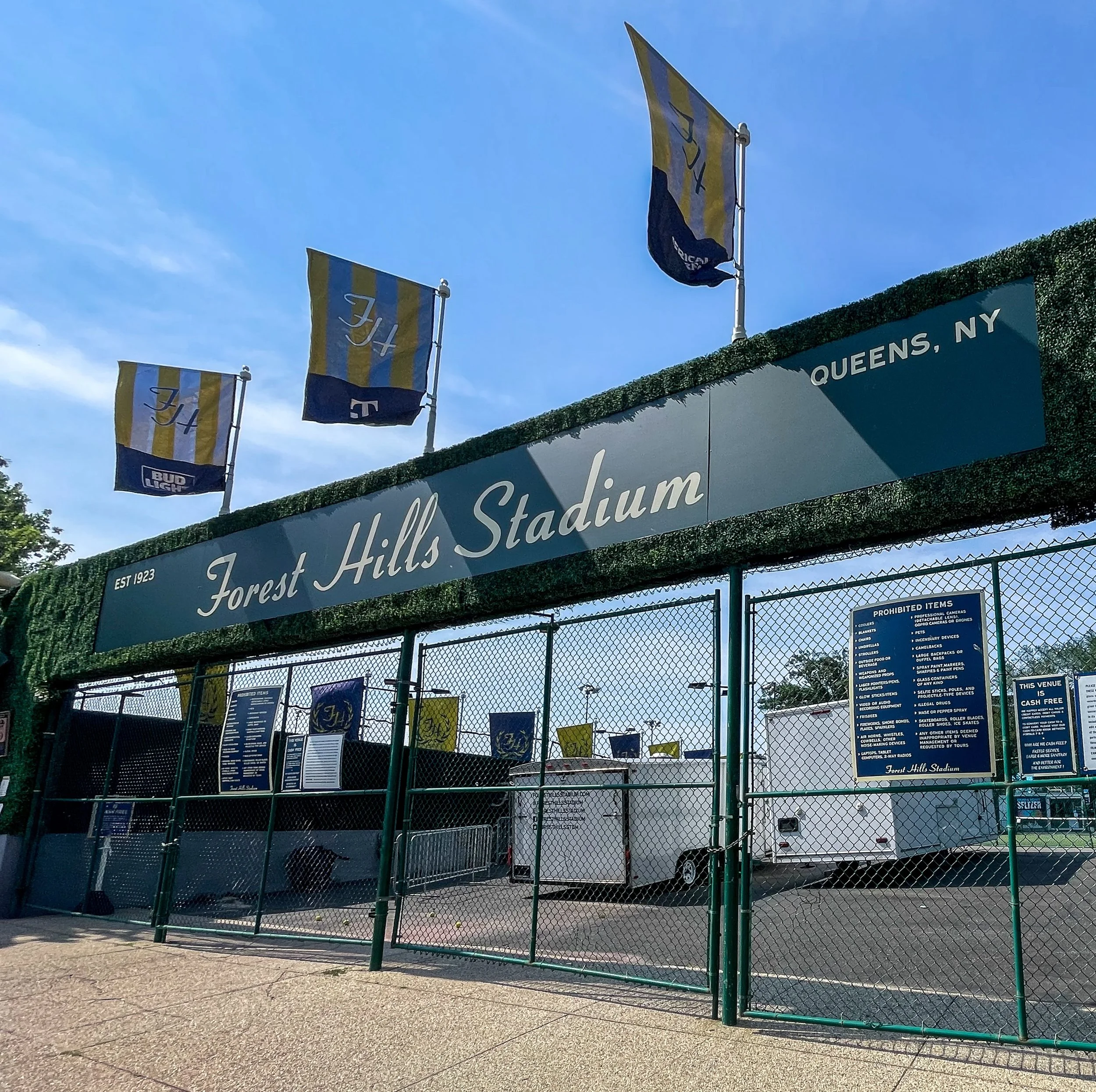
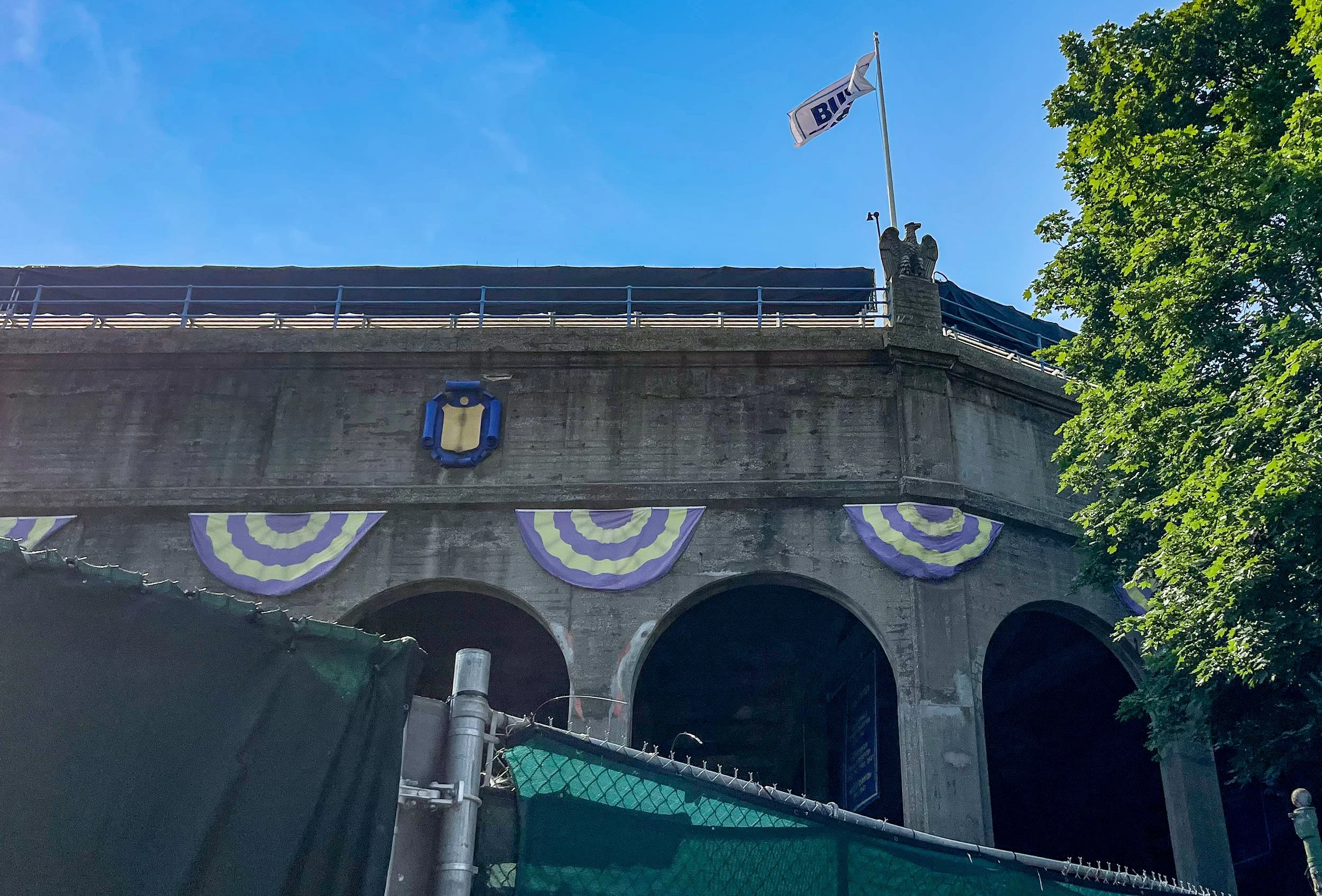
In July, while roaming its tree-lined, sun-dappled streets, I was transported back to when my late father and I walked to and from his car when he moonlighted as an usher at the Forest Hills Tennis Stadium in the 1970s. Built in 1923, the stadium was the center of America's tennis universe until it closed in 1977. Back then, my sisters, Mary and Maureen, and I got to see Bjorn Borg and Chris Evert battle it out with other tennis stars at the US Open. There were sightings of Kenndy family members and celebrities such as Dustin Hoffman and Bill Cosby. On this July afternoon, I peeked through canvas-covered fences at West Side Tennis Club members volleying on courts still on the stadium grounds.
During the 1960s, the stadium began hosting concerts, as it does exclusively today. This relates to other factors that nudged me back to Forest Hills. In March, I recalled when, in 2019, my dad showed me photos he took of the Beatles backstage before a concert in August 1964, when Beatlemania first hit America. Everyone from The Rolling Stones, Bob Dylan, Jimi Hendrix, Frank Sinatra and Boston Pops performed there. My sisters saw The Jackson Five, Elton John, Barry Manilow, and The 5th Dimension in concert. This all ties to the last factor influencing my return. In June, my friend Robert asked me to write about my dad's Beatles experience to include in a speech he would give about the Fab Four’s New York invasion.



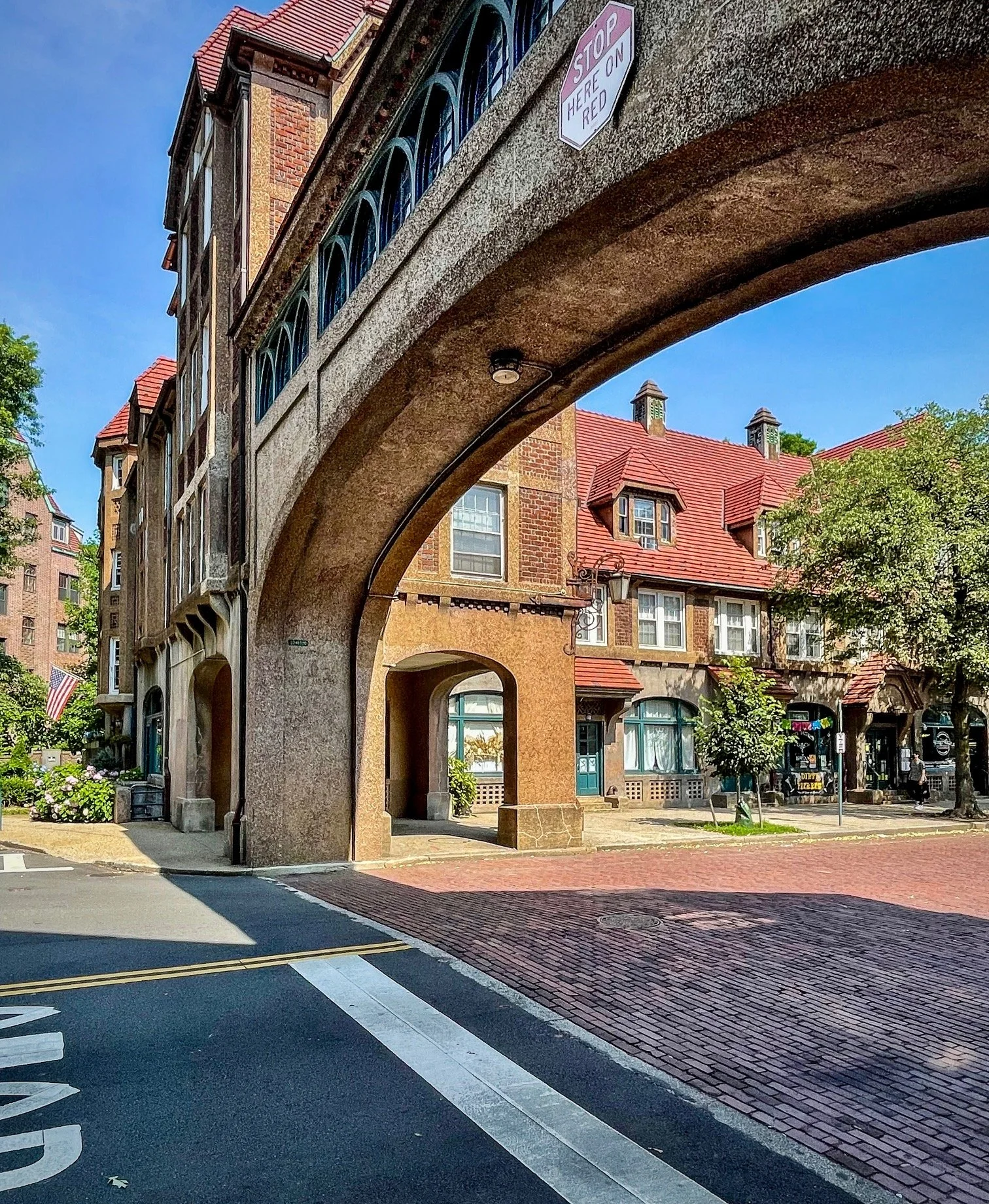
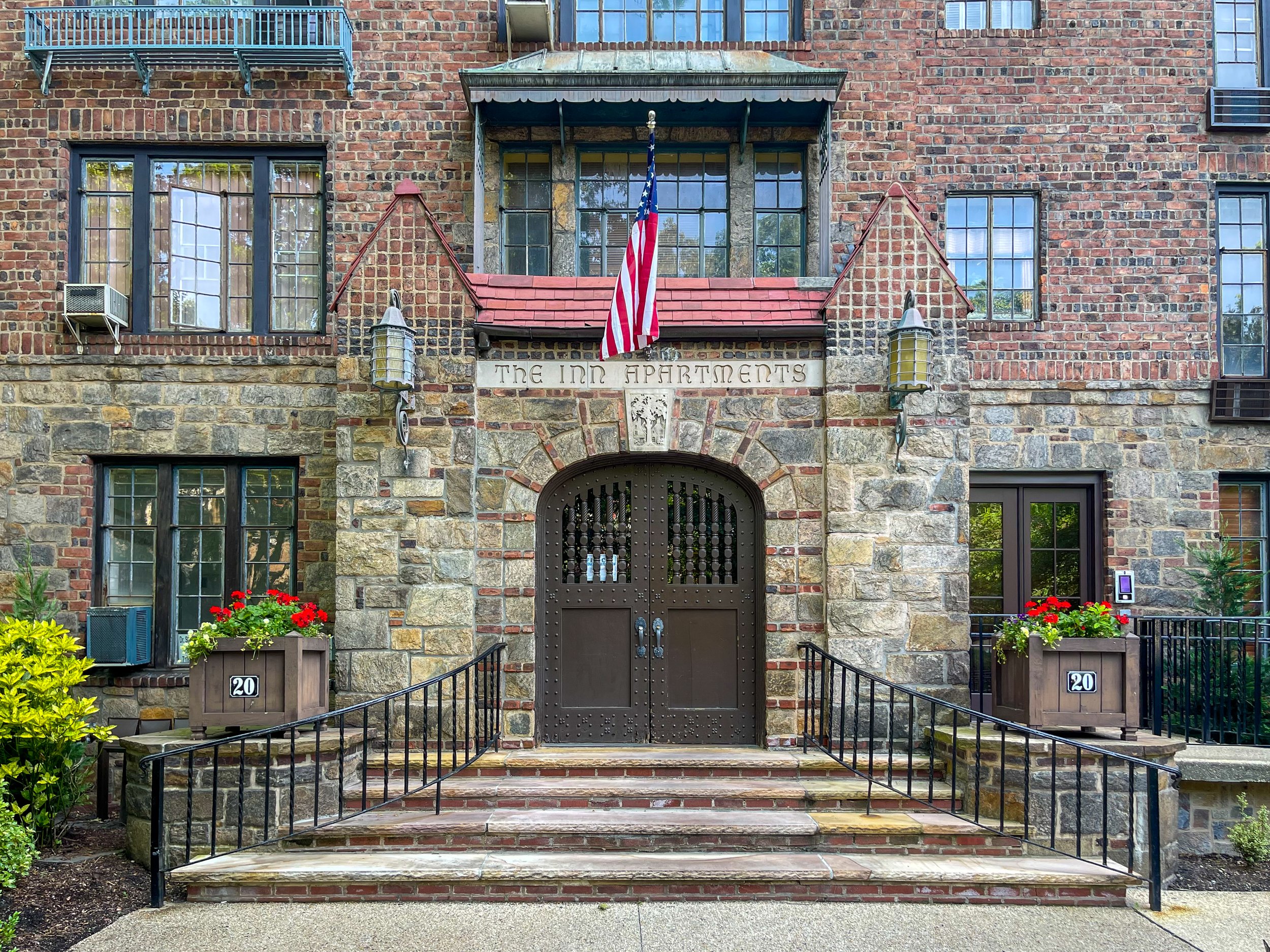
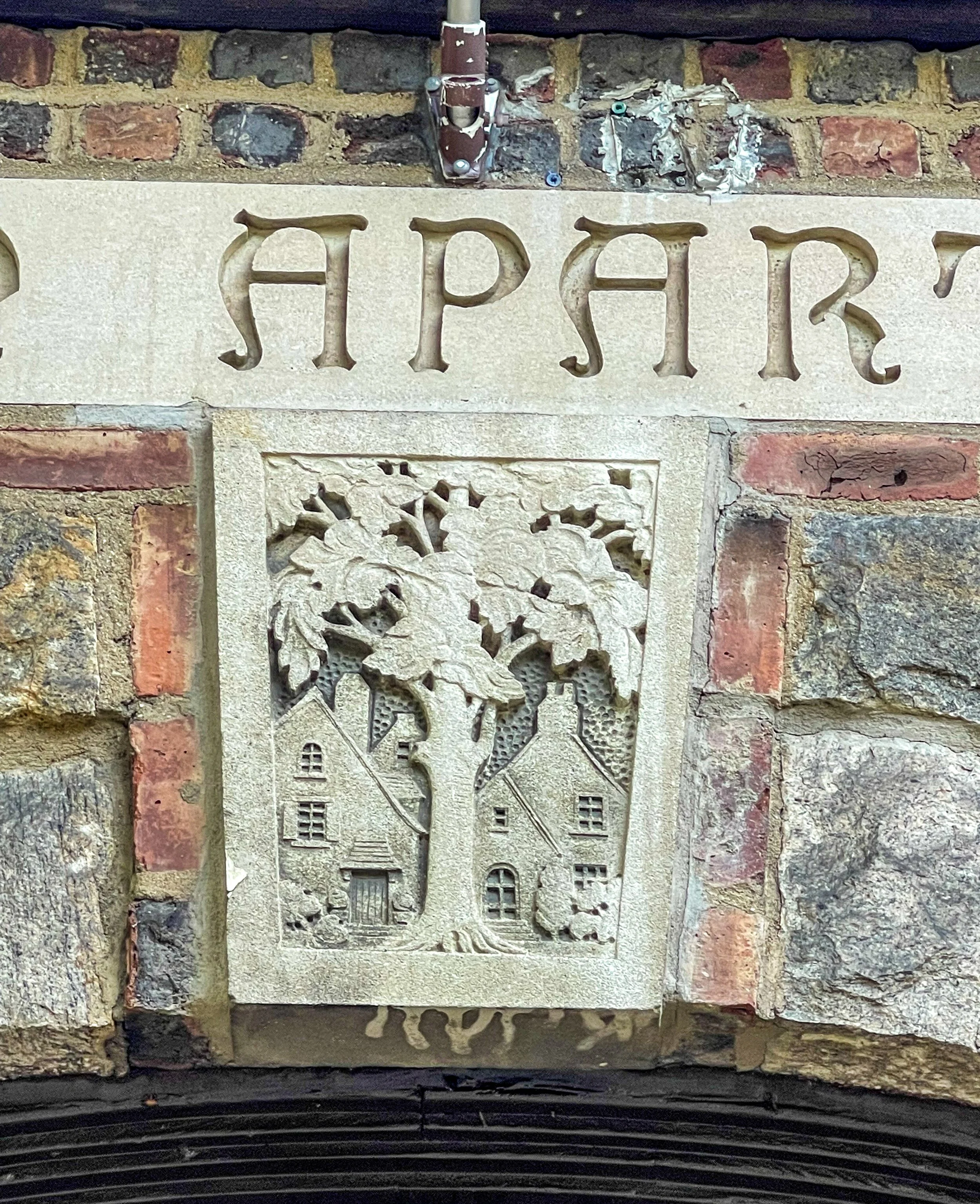
I recall the last time I drove through Forest Hills Gardens was in the late 1980s when I worked for a medical company and often visited a patient there. Her apartment building was probably near the Inn Apartments outside Station Square, which was originally a 150-room hotel that opened in 1912.

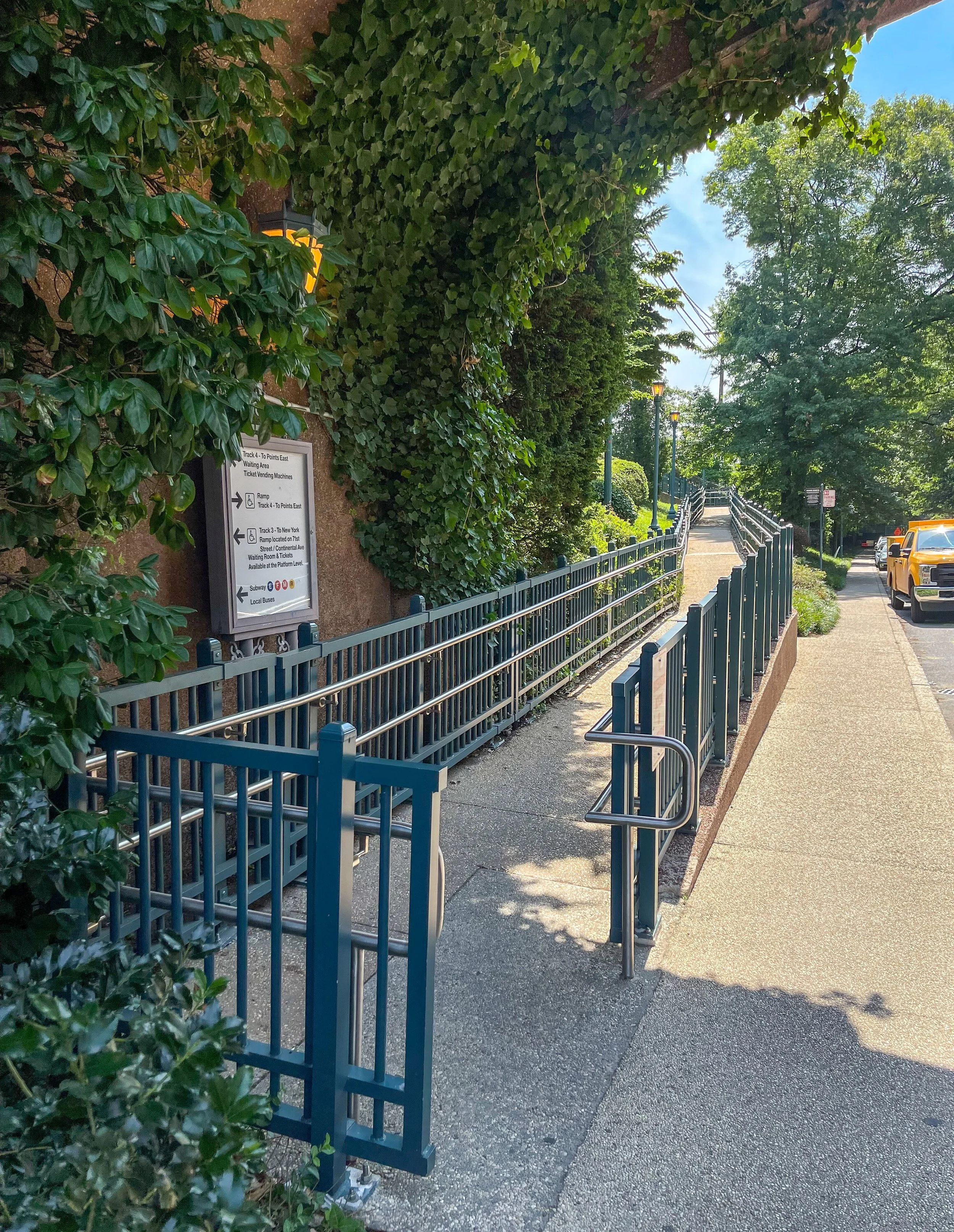
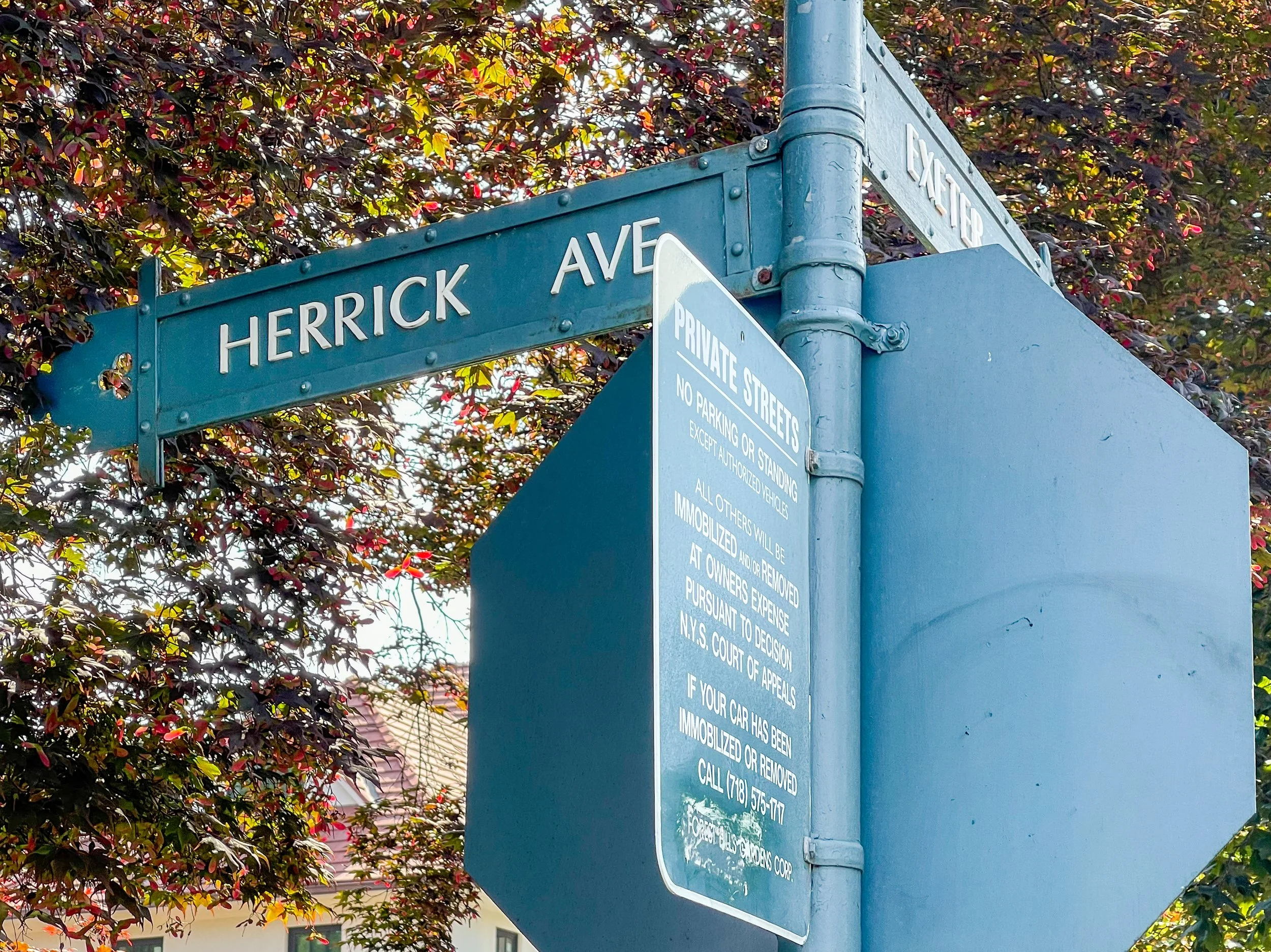
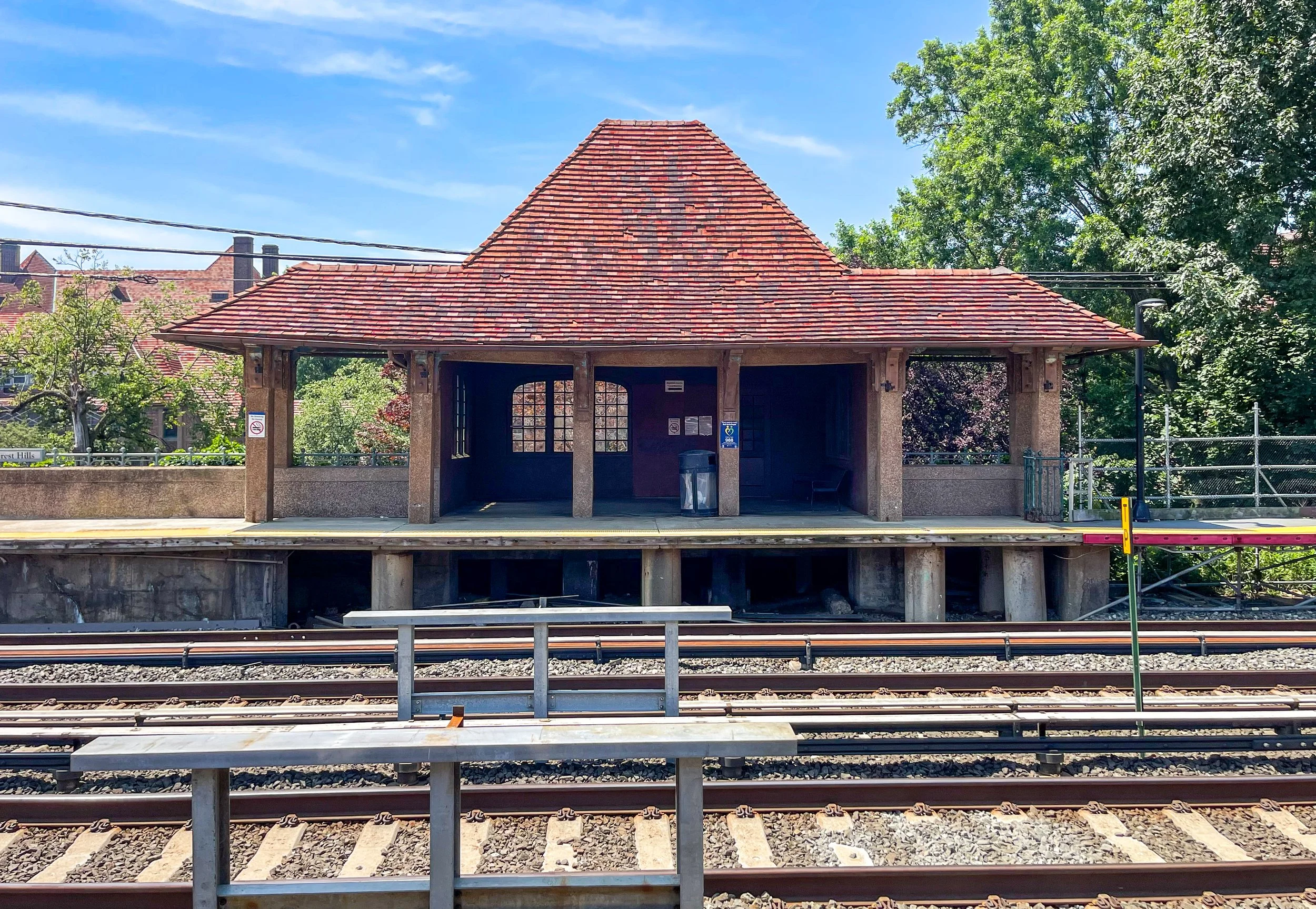
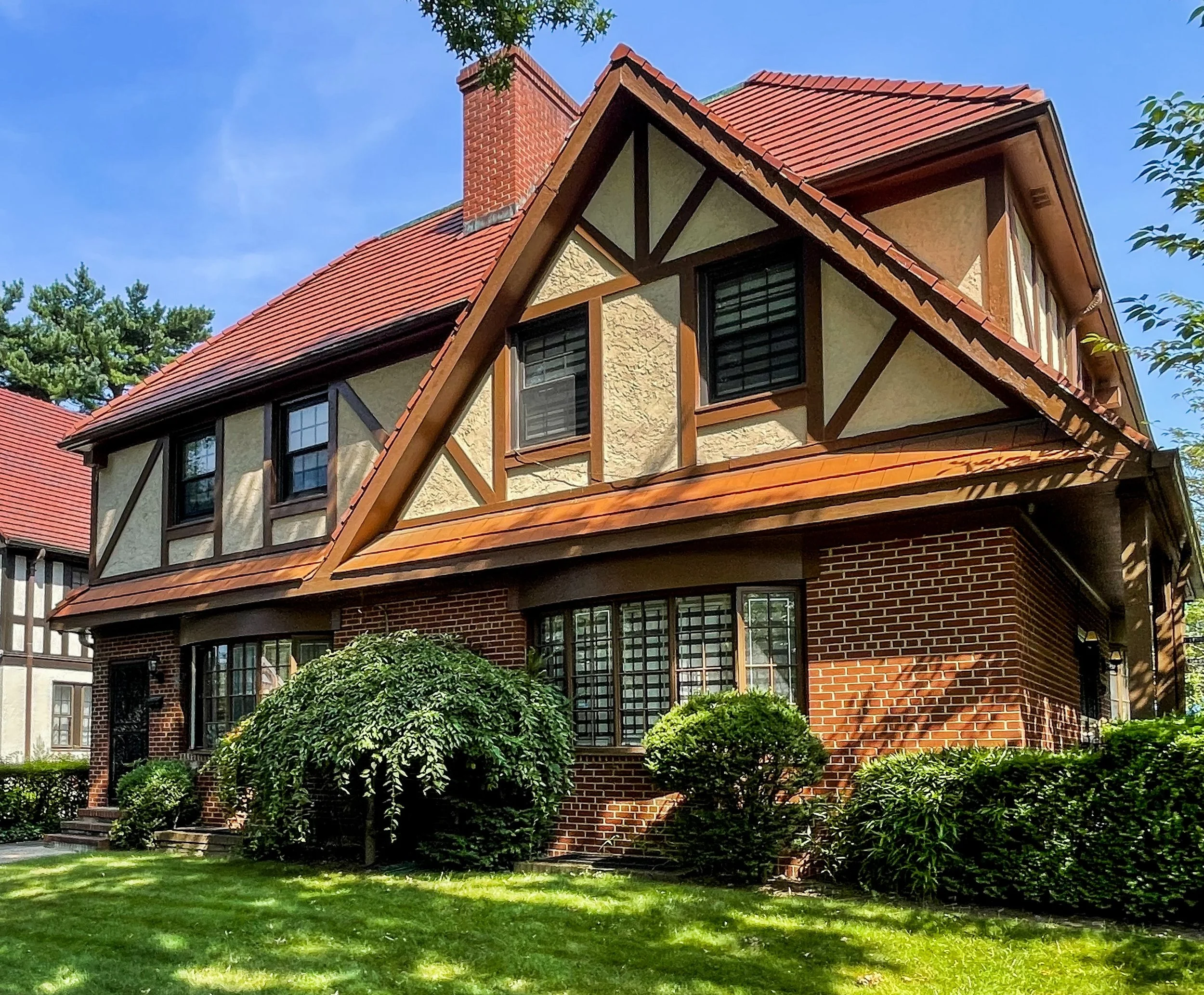


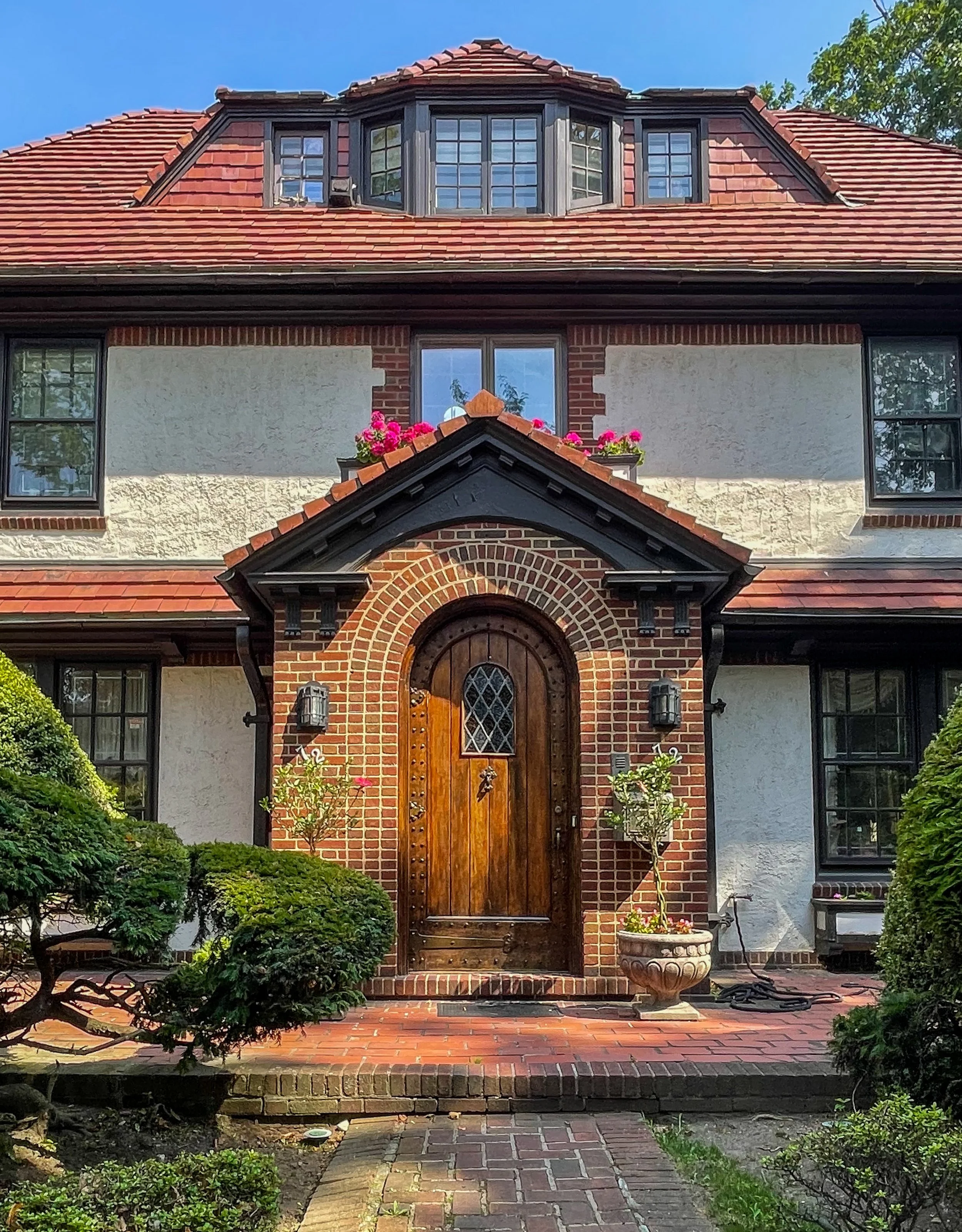
Forest Hills Gardens was created by community architect Grosvenor Atterbury and landscape architect Frederick Law Olmsted Jr., the son of Central Park's co-designer. In 1906, Russell Sage Foundation purchased farmland in Queens and commissioned the duo to design a neighborhood based on England's garden city movement. The New York Times called Forest Hills Gardens "one of the finest examples of community planning in the nation."
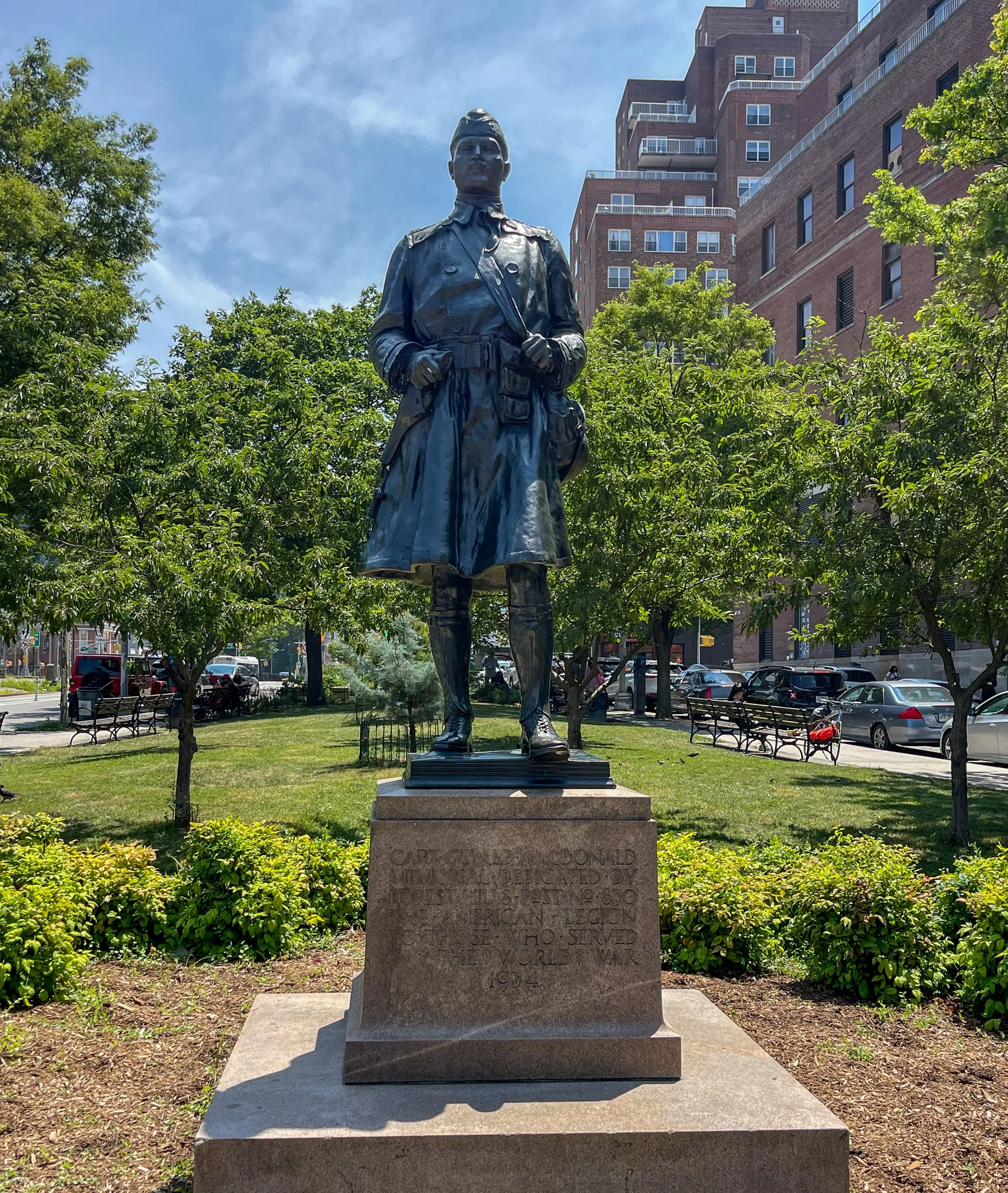
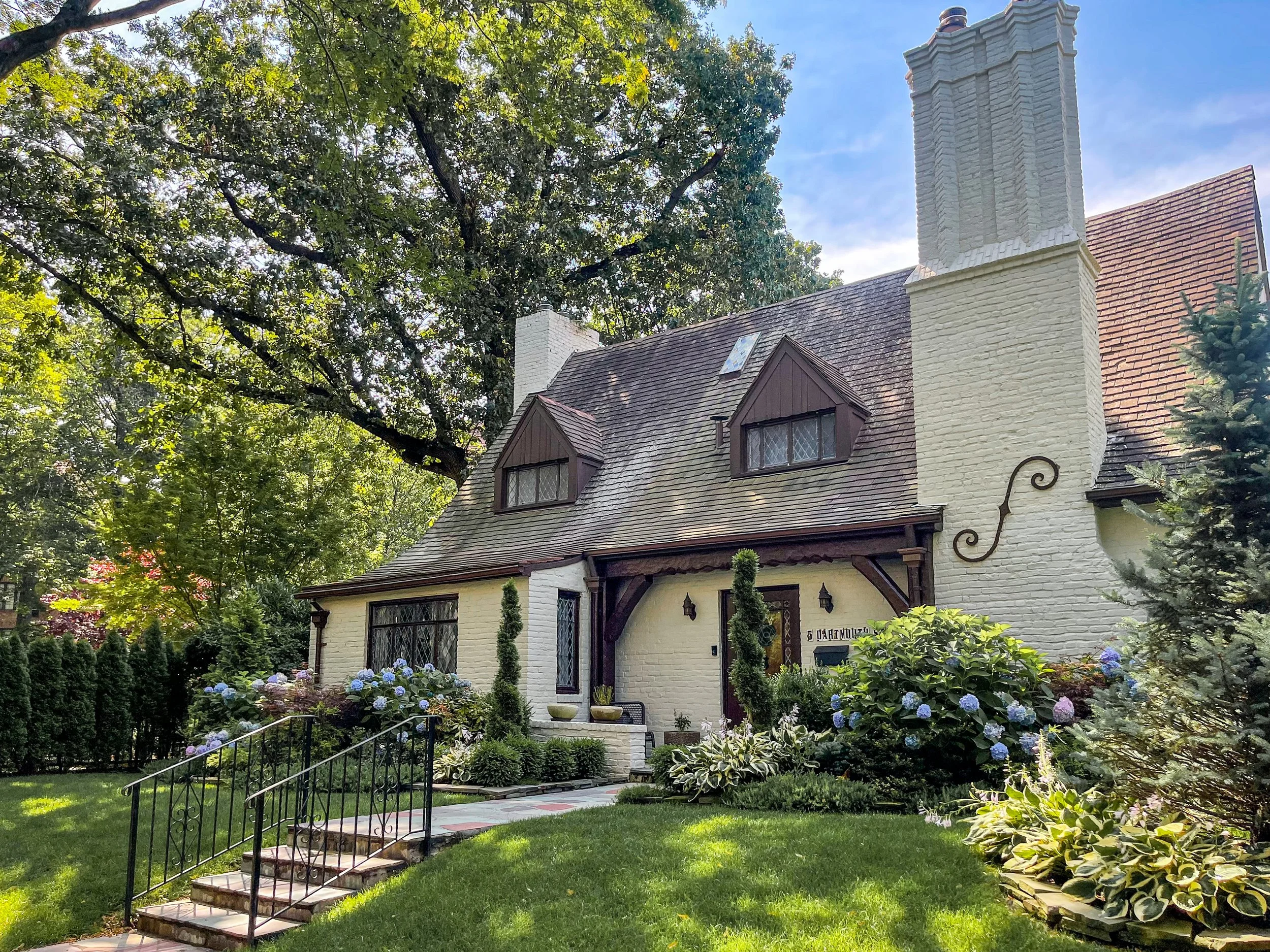
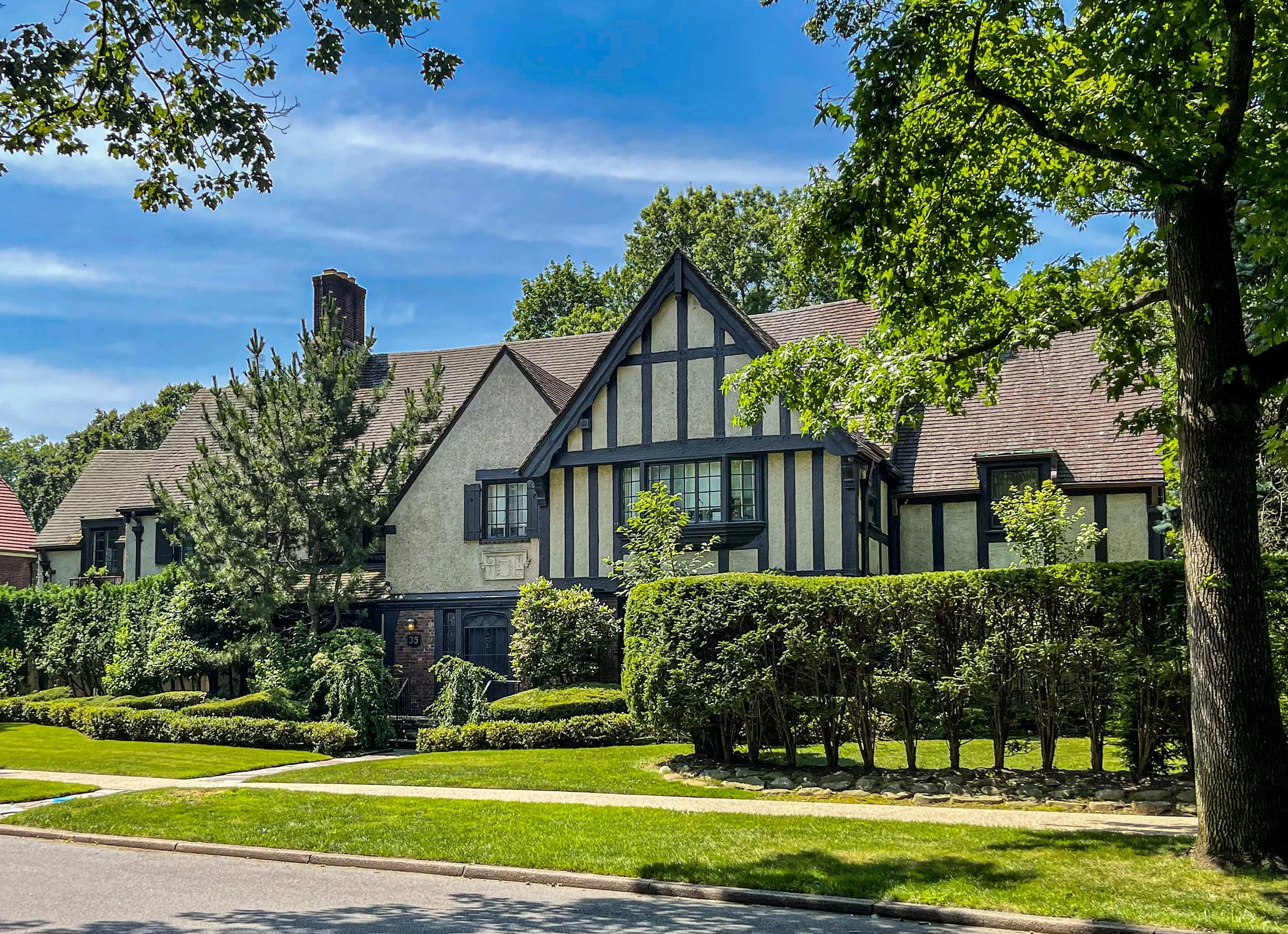
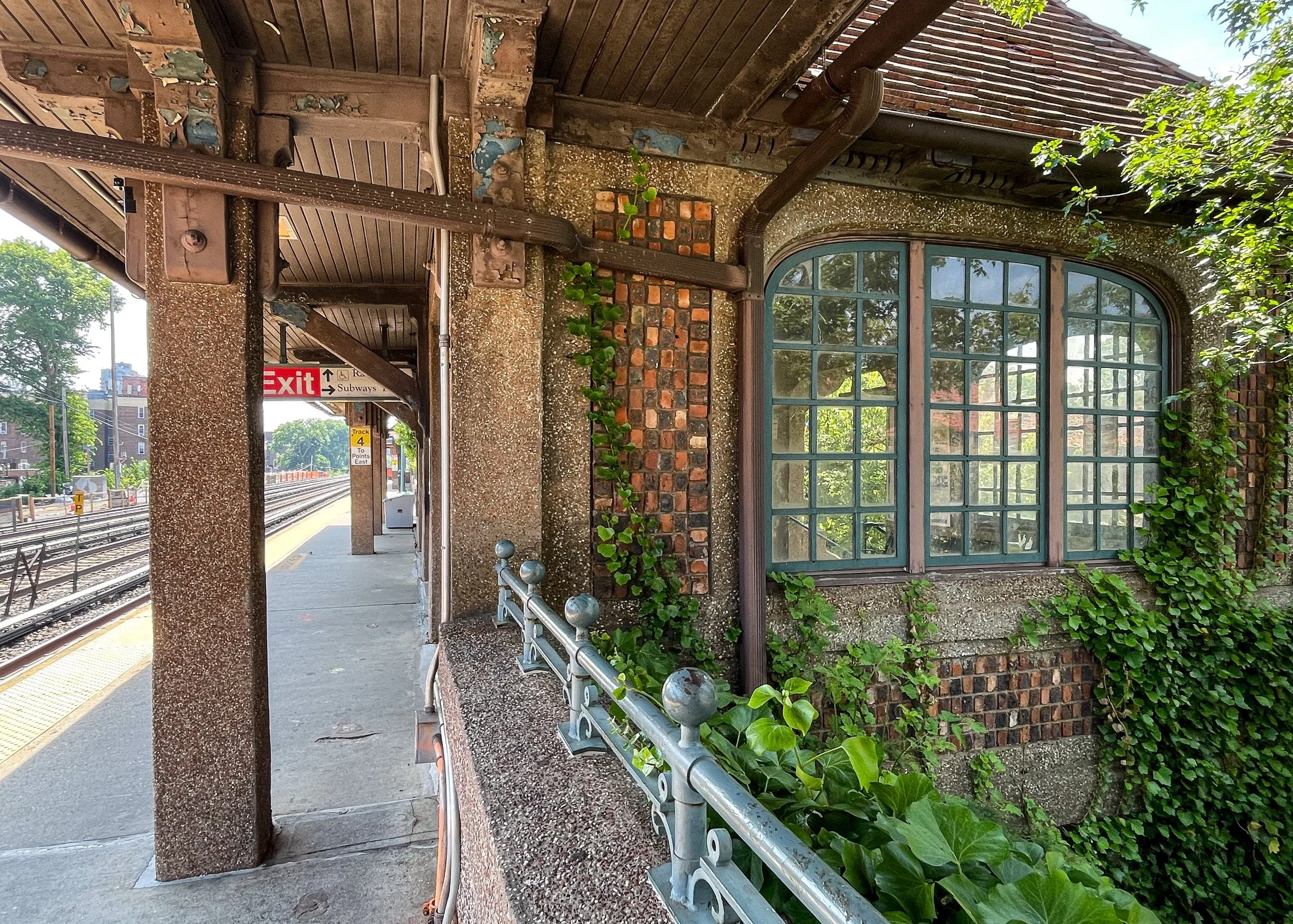
In addition to photographing the neighborhood's chrysanthemum-adorned Tudor Revival, English Cottage and Colonial Revival homes and townhouses, I explored the Long Island Rail Road's platforms at Station Square and its underpass featuring murals of Arthur Ash, Althea Gibson and other tennis legends from decades past. I also wandered through McDonald Park on Queens Boulevard, where there is a Sunday farmers' market, and shopped at a nearby Trader Joe's.
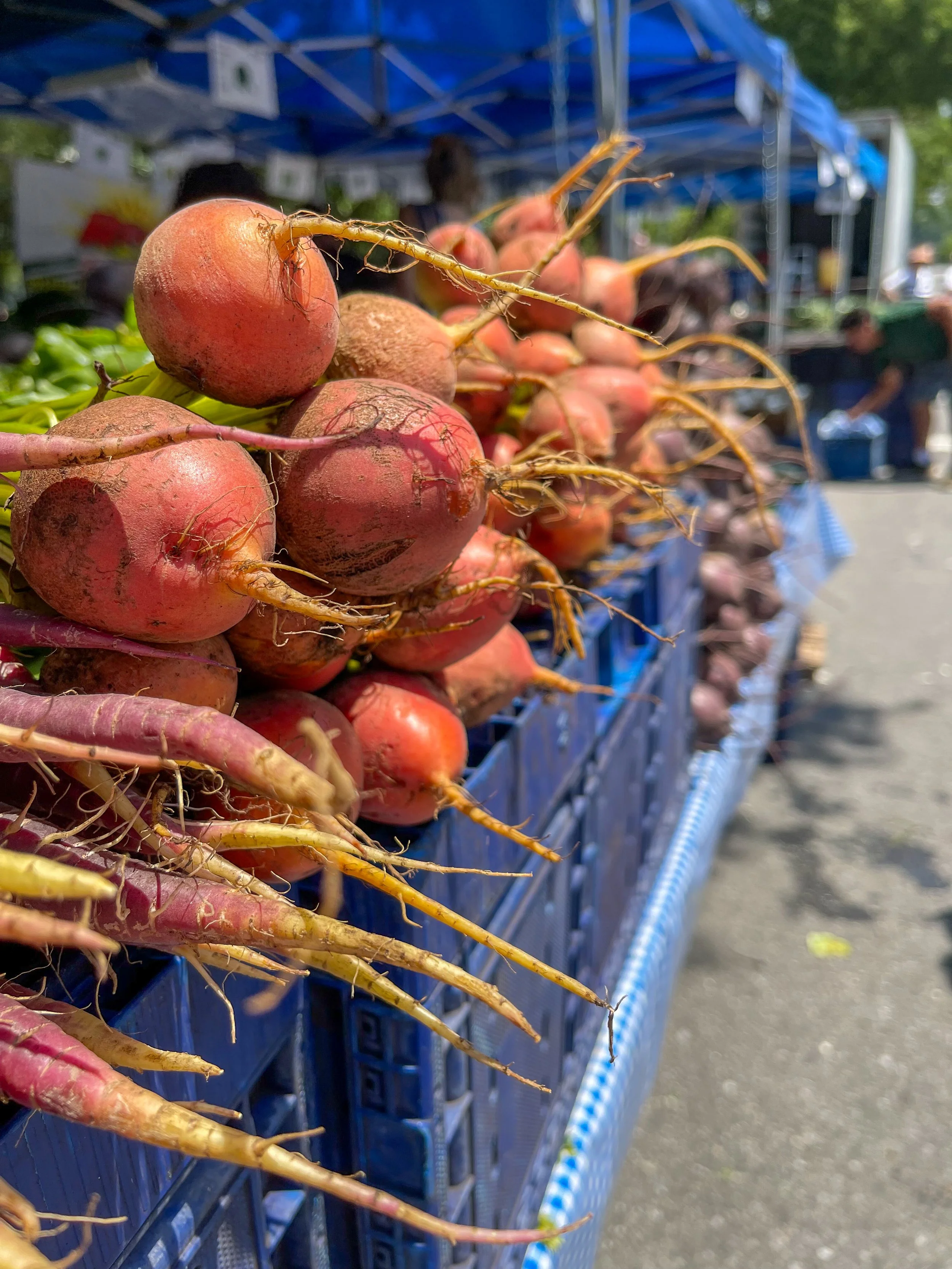

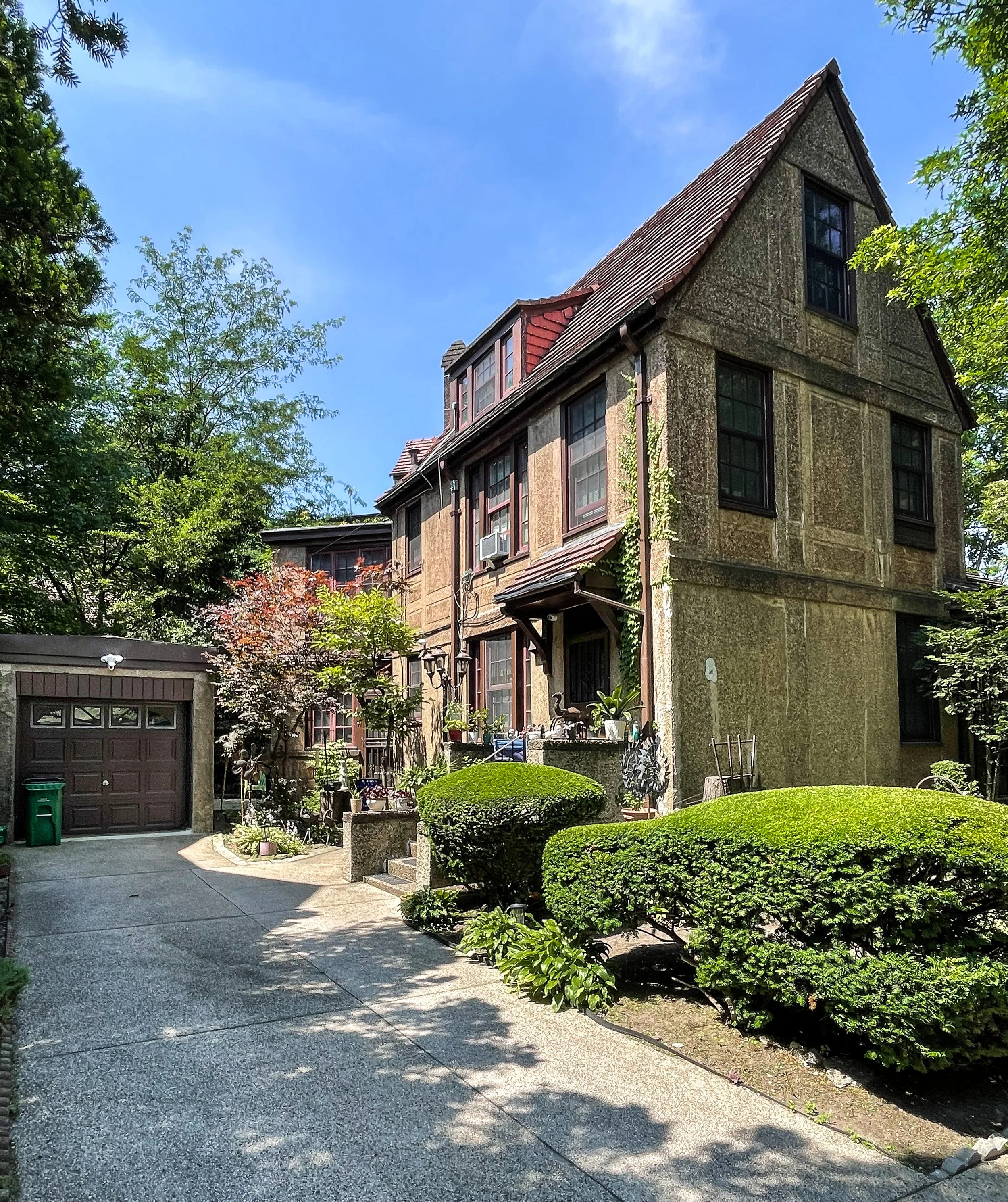
My mid-summer Queens adventure sparked reflection. I thought about how a new woman in my life indirectly reacquainted me with a familiar place I may never have revisited. Walking through Forest Hills again, I also thought about the building blocks of family bonds—about my father taking my sisters inviting us into his professional world, a world-renowned tennis stadium, and how these outings proved to be more than casual. They were one of many ways he cultivated shared experiences for his family that transform into treasured memories on days like these.
This article is dedicated to my friend Astrid. ~ JK